Restaurants · Our pick in Dubai
Dubai Cuisine
The back story
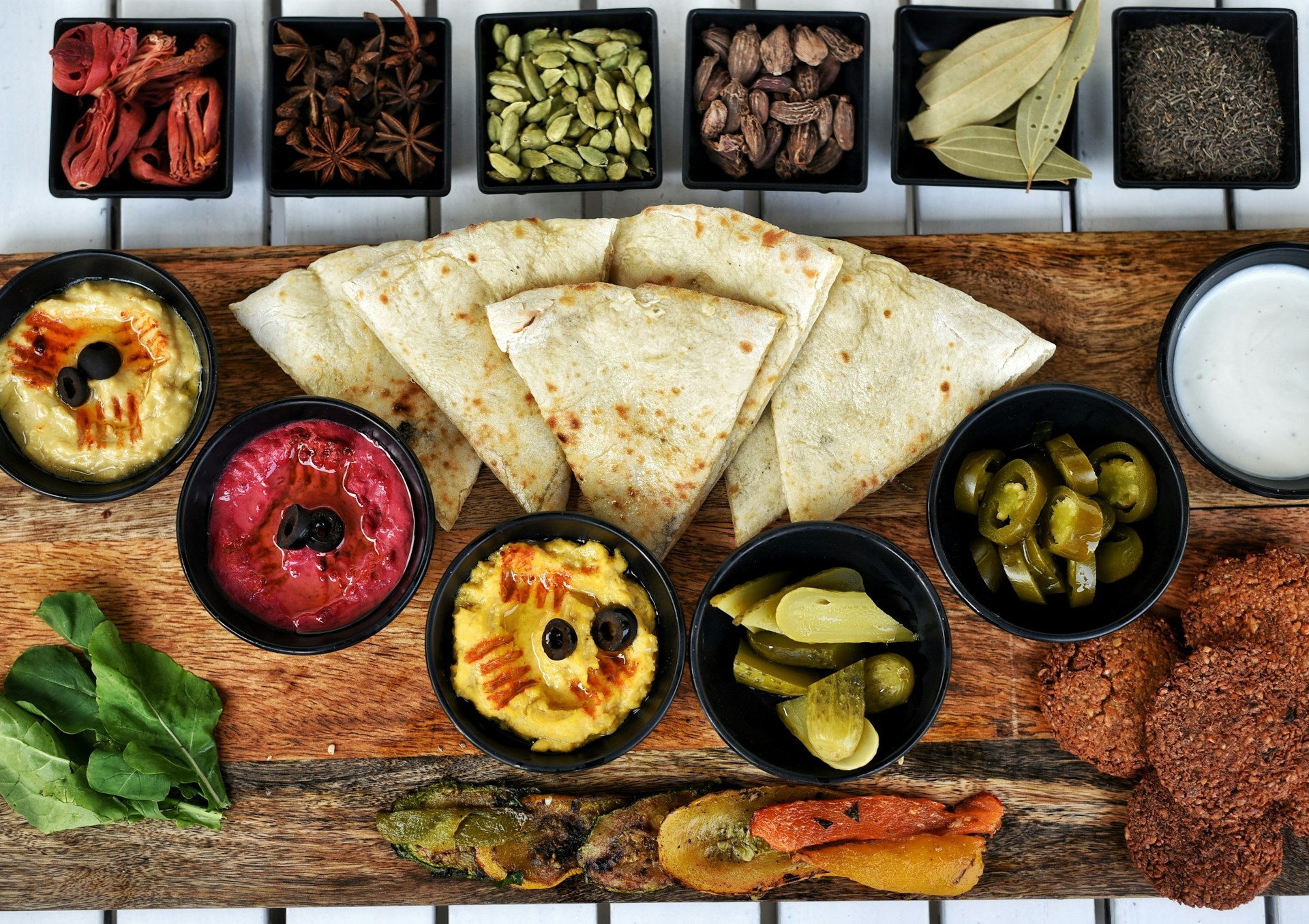
Photo Credit
Image courtesy of © Chetanya Sharma on UnsplashAbout Dubai Cuisine
Are you planning a trip to Dubai and looking for real Emirati cooking? This is our guide to the cuisine of the Emirates, from the dishes worth ordering to where to taste them and the etiquette of the Emirati table.
Dubai cuisine
Traditional Dubai cuisine, or Emirati cuisine, is a rich reflection of the region’s trading history and its harsh desert landscape. It brings together three older ways of eating: the Bedouin diet of meat and camel milk, the coastal fisherman’s catch from the Gulf and the farmer’s dates. Saffron, cardamom, turmeric and thyme lead the seasoning, alongside spices carried in by traders from across the Middle East and South Asia, and many traditional dishes are slow-cooked in a single pot.
Because Dubai is now a global city, its modern food scene is remarkably diverse: centuries-old Arabian traditions sit alongside MICHELIN-recognised kitchens, international fine dining and lively, inexpensive street food.
A Bedouin diet of meat and milk, the fisherman’s catch and the farmer’s dates, cooked slowly in a single pot.
Must-try traditional dishes
Order these and you will have tasted the Emirati repertoire, from breakfast to dessert.
Machboos
Often considered the national centrepiece, machboos is a fragrant spiced rice dish slow-cooked with meat, usually chicken or lamb, with onions, tomatoes and a distinctive blend of Gulf spices. The note that sets it apart is loomi, dried lime, which gives the rice a gentle sourness. It comes to the table on a generous platter, made for sharing.
Harees
Harees is a historic, comforting dish with a porridge-like consistency: wheat and meat slow-cooked together until completely smooth, then finished with a little ghee. It is a dish for Ramadan and family occasions, eaten warm with a spoon.
Luqaimat
The quintessential Emirati dessert: golden fried dough balls, crisp outside and soft within, drizzled with date syrup and scattered with sesame seeds. Order them with a cup of gahwa at the end of a meal, and eat them while they are still warm.

Photo Credit
Image courtesy of © Hamza A. Durrani · CC BY 4.0 via Wikimedia CommonsBalaleet
A sweet-and-savoury breakfast dish of fine vermicelli, sweetened and scented with cardamom and saffron, topped with a thin omelette. The contrast between the sweet noodles and the savoury egg is the whole point, so take a little of each in every mouthful.

Photo Credit
Image courtesy of © Droodkin · CC BY-SA 4.0 via Wikimedia CommonsChebab and regag
Two traditional breakfast breads. Chebab is a soft, saffron-scented pancake, usually served with date syrup or cheese; regag is wafer-thin and crisp, cooked on a hot plate and often layered with cheese, egg or a savoury fish sauce.
Dubai’s culinary landscape
Because the city is home to people from all over the world, eating out ranges from heritage Emirati cooking to high-end modern fusion. Here is what to expect from each style, and where to start.
Authentic Emirati
Expect heritage courtyards, traditional majlis seating and home-style hospitality in the historic quarters. Al Khayma Heritage Restaurant, in a courtyard house in the Al Fahidi Historical Neighbourhood, holds a Bib Gourmand in the MICHELIN Guide Dubai 2026; a few steps away, Arabian Tea House serves tea and Emirati breakfasts in a shaded courtyard on Al Fahidi Street.
Levant and Middle Eastern
Expect generous mezze, warm bread from the tanoor oven, perfectly grilled shish tawook and, often, waterfront terraces with shisha. Lebanese and Syrian kitchens are found all over the city, from the malls to the beachfront; for home-style cooking, Sufret Maryam in Wasl 51, Jumeirah, holds a Bib Gourmand in the MICHELIN Guide Dubai 2026.
Global fusion and rooftops
Expect high-energy rooms far above the city, inventive menus and panoramic views of the Burj Khalifa. CÉ LA VI, at the top of Address Sky View in Downtown Dubai, is in the MICHELIN Guide Dubai 2026; book ahead for a table at sunset.
Old Dubai street food
Expect long-established, budget-friendly places serving local favourites that have fed the city for decades, among them Persian kebab houses in Bur Dubai and Pakistani canteens in Satwa that have been trading since the 1970s. Go hungry, and follow the regulars.
Cultural dining etiquette
In traditional Emirati dining, hospitality comes first. You will often be welcomed with gahwa, light Arabic coffee brewed with cardamom and poured into small handleless cups, served with fresh dates. Accept the cup with your right hand. If you are seated on floor cushions in a traditional majlis, make sure the soles of your feet are not pointing at anyone.
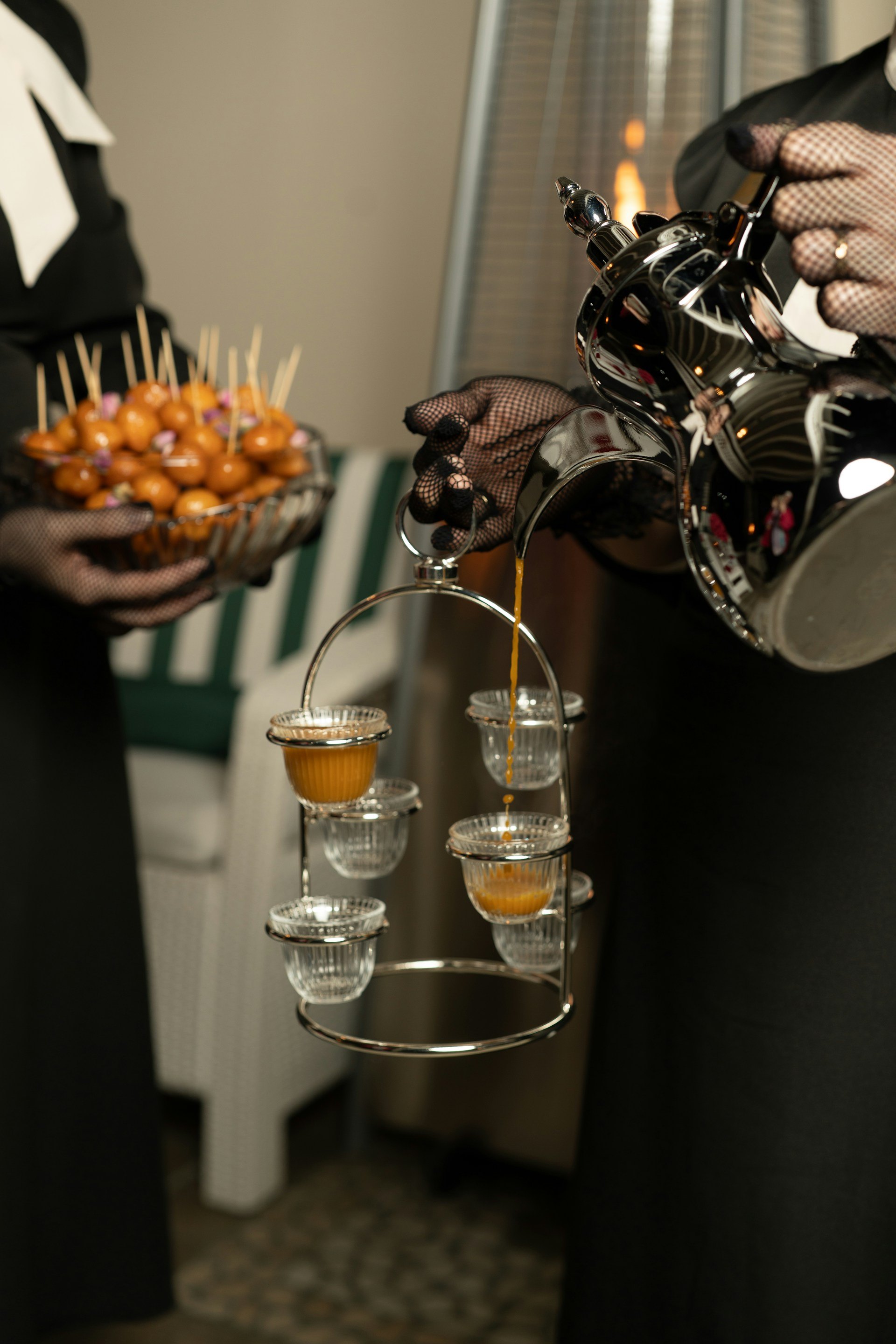
Photo Credit
Image courtesy of © Abdul Raheem Kannath on UnsplashOur advice: start a morning in Al Fahidi with an Emirati breakfast of balaleet and chebab, order machboos at an Emirati table and finish with luqaimat and gahwa, then keep one evening for a rooftop dinner facing the Burj Khalifa.
Why it's on our list
- Emirati cuisine
- Machboos
- Harees
- Luqaimat
- Balaleet
- Chebab and regag
- Where to taste it
- Dining etiquette
Opening hours, prices and seasonal openings change, so please check with Dubai Cuisine before you go.